
Local Regulations and Requirements for Home Staging in Toronto


Understanding Home Staging
Home staging is an essential part of selling a property in Toronto. It involves decorating and furnishing a home to make it appealing to potential buyers. This process can significantly impact the selling price and speed of sale. However, before diving into home staging, it's crucial to understand the local regulations and requirements specific to Toronto.

Licensing and Permits
In Toronto, home stagers do not require a specific license to operate. However, if you plan to run a home staging business, you must register your business with the appropriate authorities. This includes obtaining a business license and ensuring compliance with local business regulations. Additionally, if you plan to make any structural changes to the property, you may need a building permit.
Building Permits
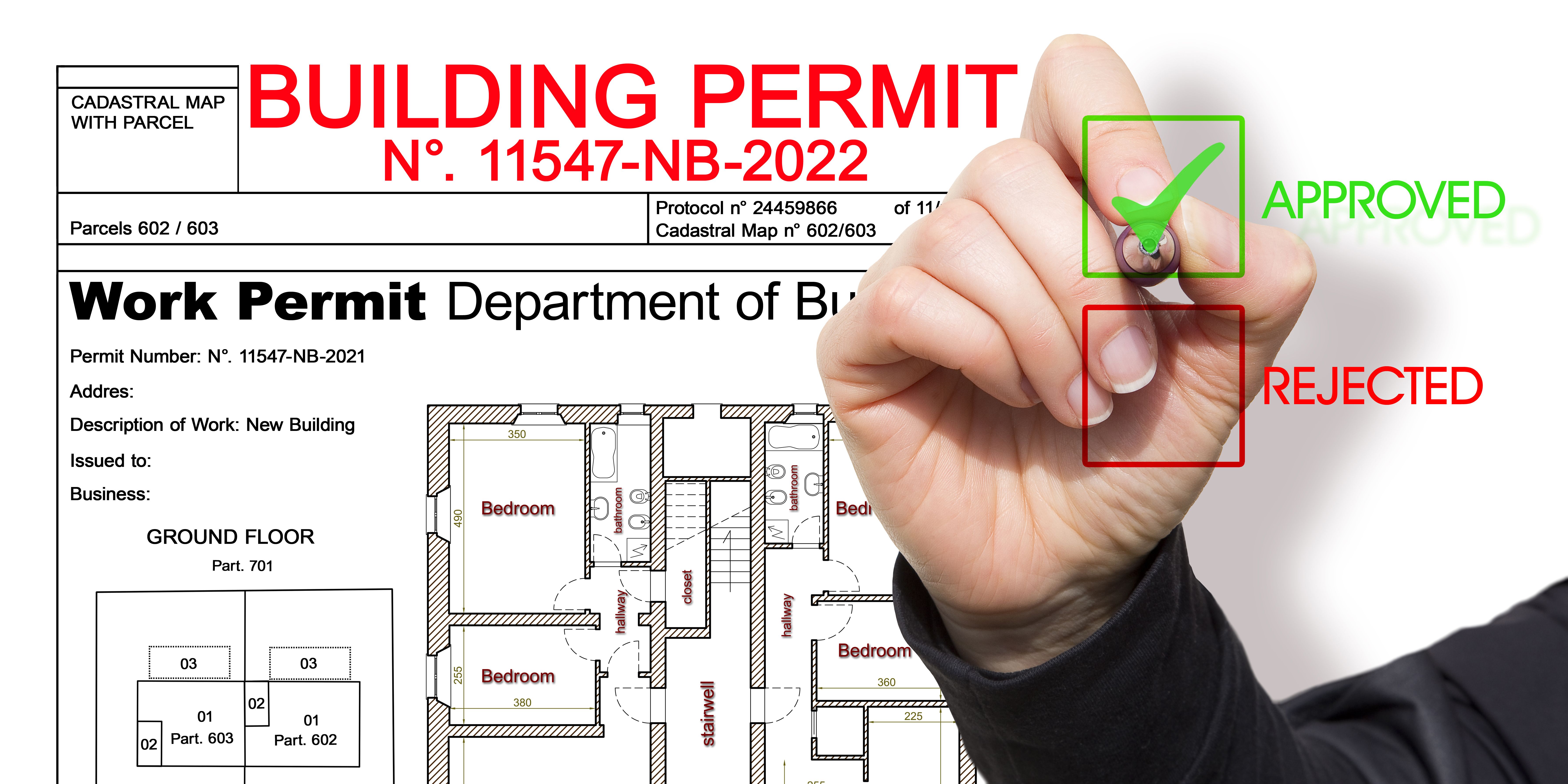
While staging typically involves cosmetic changes, any significant alterations may require a building permit. It's essential to consult with the local building department to ensure compliance. Failure to obtain the necessary permits can lead to fines and delays in the selling process.
Zoning Regulations
Zoning regulations in Toronto dictate how a property can be used. While these regulations primarily impact construction and business operations, they can also affect home staging. For instance, if you plan to use a property as a showcase home, you might need to ensure the property complies with zoning laws for such use.
Understanding the zoning laws in your area is crucial to avoid any legal complications. Consulting with a local real estate lawyer or zoning expert can provide clarity on these regulations.
Health and Safety Standards
When staging a home, it's important to adhere to health and safety standards. This includes ensuring that all furniture and decor items are safe for use and do not pose any hazards. In Toronto, this can involve complying with fire codes and ensuring that all electrical installations are up to standard.

Fire Safety
Fire safety is a critical component of staging, especially if the property will be shown to multiple potential buyers. Ensure that all materials used in staging are fire-resistant and that exits are clearly marked and accessible. This can prevent accidents and ensure compliance with local fire regulations.
Insurance Requirements
Insurance is an often-overlooked aspect of home staging. In Toronto, it is advisable to have liability insurance to cover any potential damages or accidents that may occur during the staging process. This not only protects your business but also provides peace of mind to homeowners.
Consult with an insurance provider to determine the best coverage for your staging activities, and ensure you understand the extent of your policy to avoid any unforeseen expenses.

Conclusion
Understanding and adhering to local regulations and requirements is crucial for successful home staging in Toronto. From licensing and permits to zoning regulations and insurance, each aspect plays a vital role in ensuring a smooth and legal staging process. By staying informed and compliant, you can enhance the appeal of your property and facilitate a successful sale.