
How to Maximize Value: Expert Advice on Home Staging


Understanding the Basics of Home Staging
Home staging is a powerful tool in real estate, designed to showcase a property's best features and help potential buyers envision themselves living there. By creating an inviting and attractive environment, sellers can maximize the value of their home and potentially increase the sale price. Here, we'll explore expert advice on how to make the most of this strategy.
Staging involves more than just cleaning and decluttering. It requires a keen eye for detail and an understanding of what appeals to buyers. The goal is to create a neutral, welcoming space that highlights the home's strengths while minimizing any weaknesses.
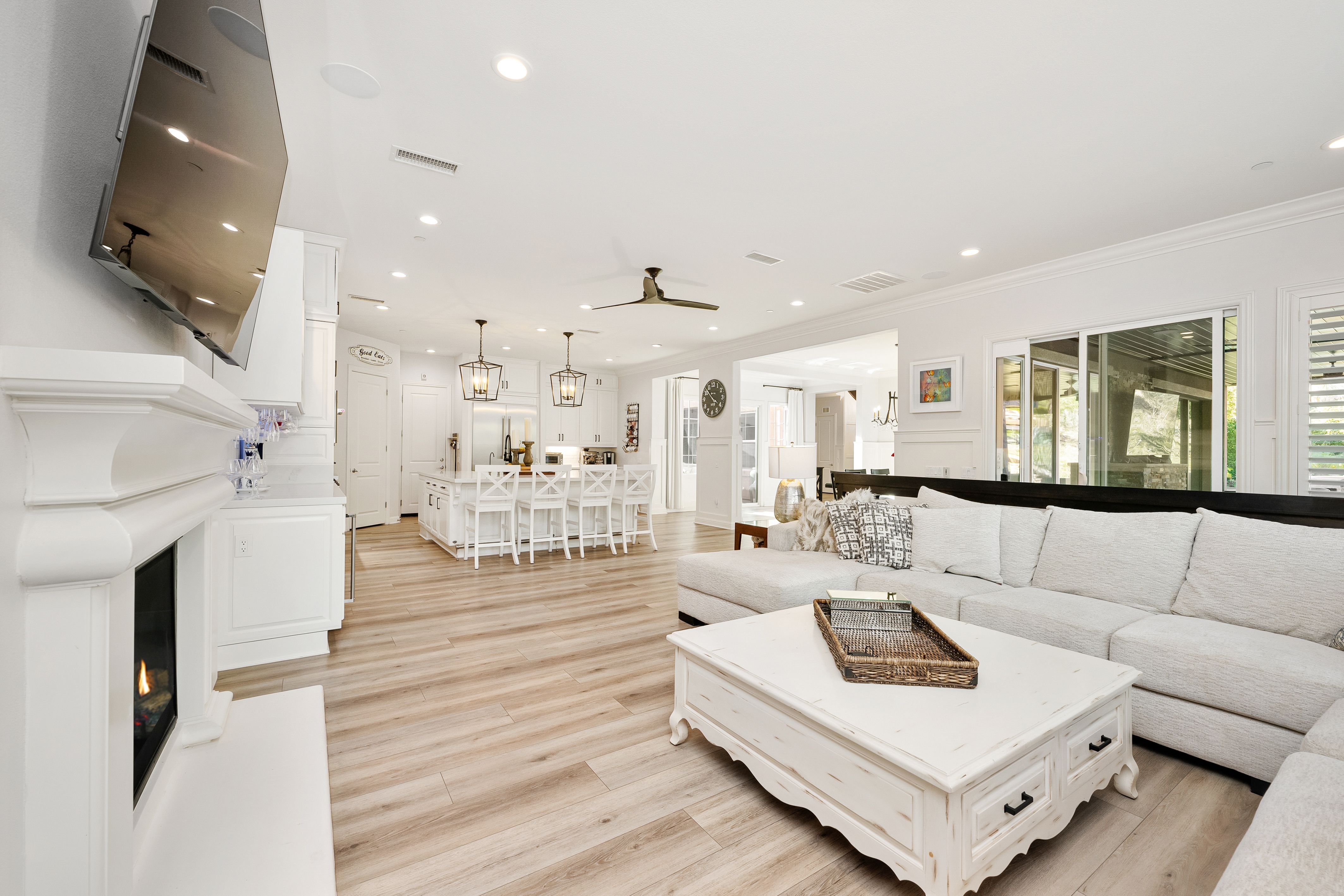
First Impressions Matter
The first impression buyers have of a home is crucial. It often begins with the exterior, so ensure the curb appeal is top-notch. This includes a well-maintained garden, a fresh coat of paint if necessary, and a tidy entrance. A welcoming exterior sets the tone for what buyers can expect inside.
Once inside, the entryway should immediately convey warmth and style. Consider adding a mirror to make the space feel larger, or a small console table with a vase of fresh flowers to create a welcoming atmosphere.
Creating a Neutral Canvas
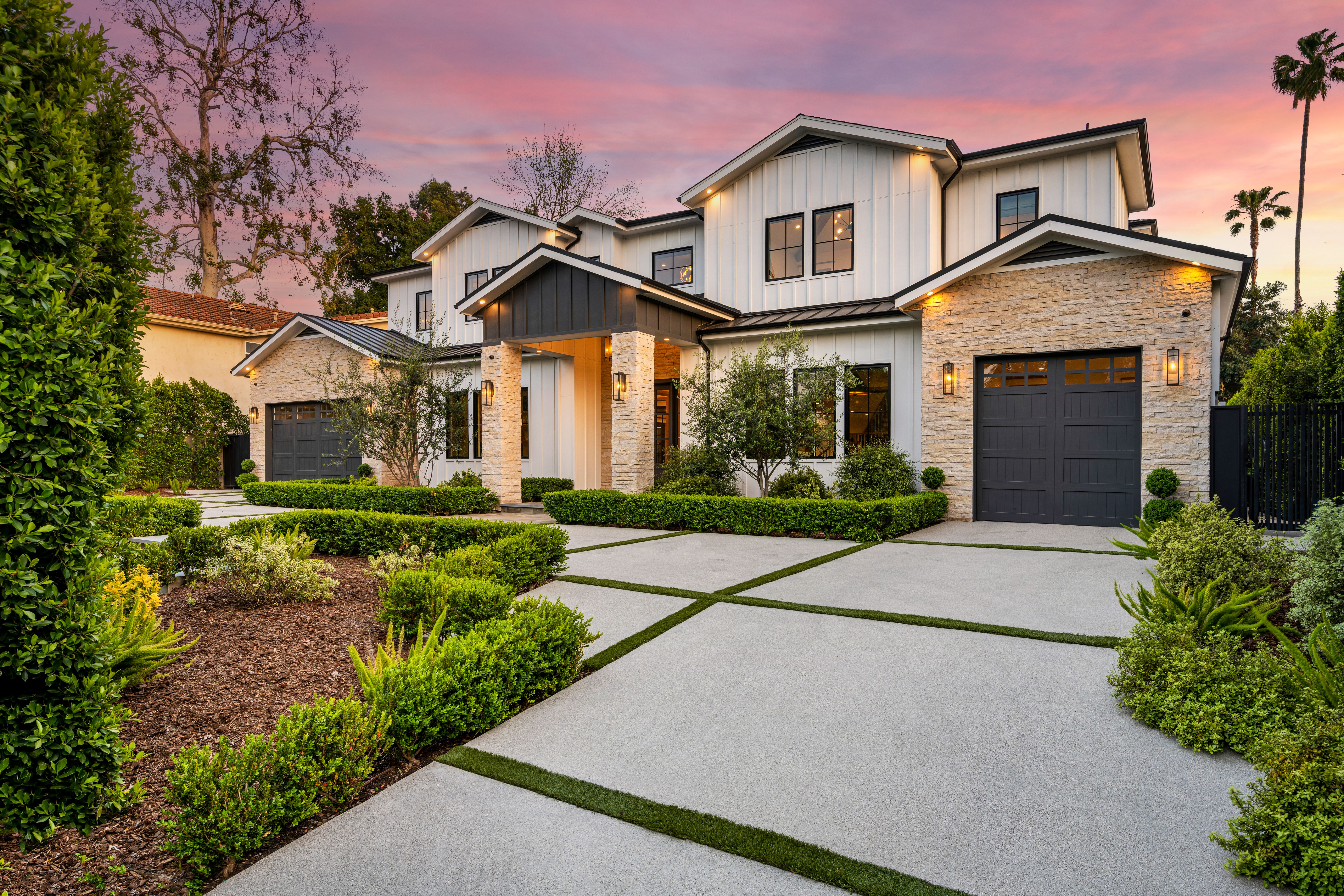
When staging a home, it's essential to create a neutral canvas that caters to a wide range of tastes. This might mean repainting walls in neutral tones like soft gray or beige, which can make spaces appear brighter and more spacious. Additionally, neutral colors allow buyers to imagine their own furnishings and decor in the space.
Furniture placement is also key. Arrange furniture to highlight the flow and functionality of the space, ensuring that rooms feel open and accessible. Avoid overcrowding rooms with too much furniture, as this can make spaces feel cramped.
Highlighting Key Features
Identify and focus on the home's unique selling points, such as a fireplace, large windows, or hardwood floors. These features should be clean, well-maintained, and prominently displayed. Use lighting to draw attention to these areas, utilizing natural light whenever possible.
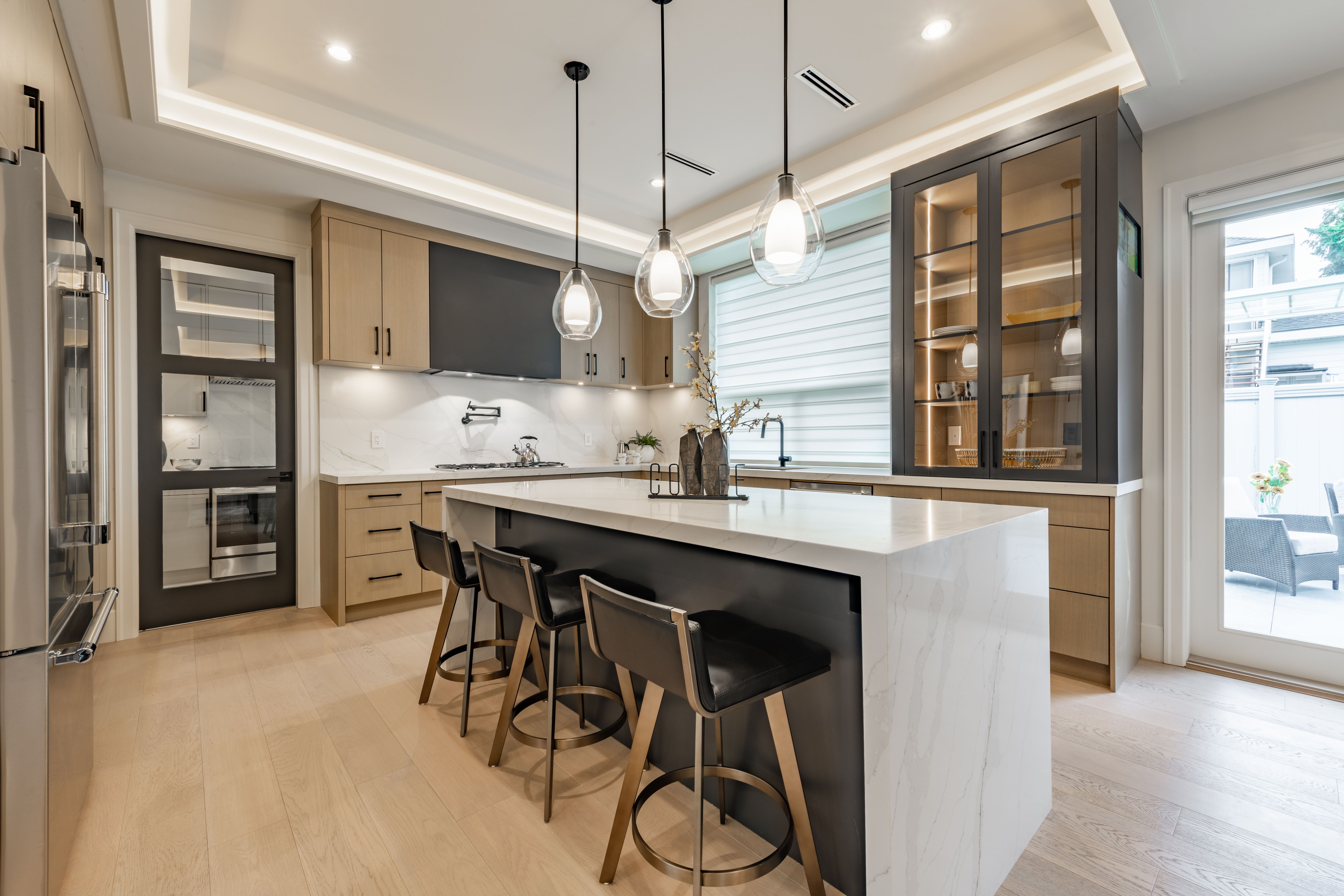
For kitchens and bathrooms, cleanliness and modern touches can make a significant difference. Consider updating fixtures or adding new hardware to cabinets for an instant refresh.
Accessorizing with Purpose
Accessories play a vital role in home staging, but it's important to use them sparingly and with purpose. Use artwork, throw pillows, and rugs to add pops of color and texture, but ensure they complement the overall theme of the home.
Personal items should be minimized to allow buyers to imagine their own lives in the space. This includes removing family photos and personal collections, which can distract from the home's features.
Final Touches and Considerations
Before any open house or showing, do a final walkthrough to ensure everything is in place. Pay attention to details like fresh towels in bathrooms, neatly arranged throw blankets, and clean windows to let in maximum light.
Remember that staging is an investment in selling your home. While it may require some upfront costs, the potential return on investment can be substantial. By following these expert tips, you can enhance your property's appeal and increase its market value.
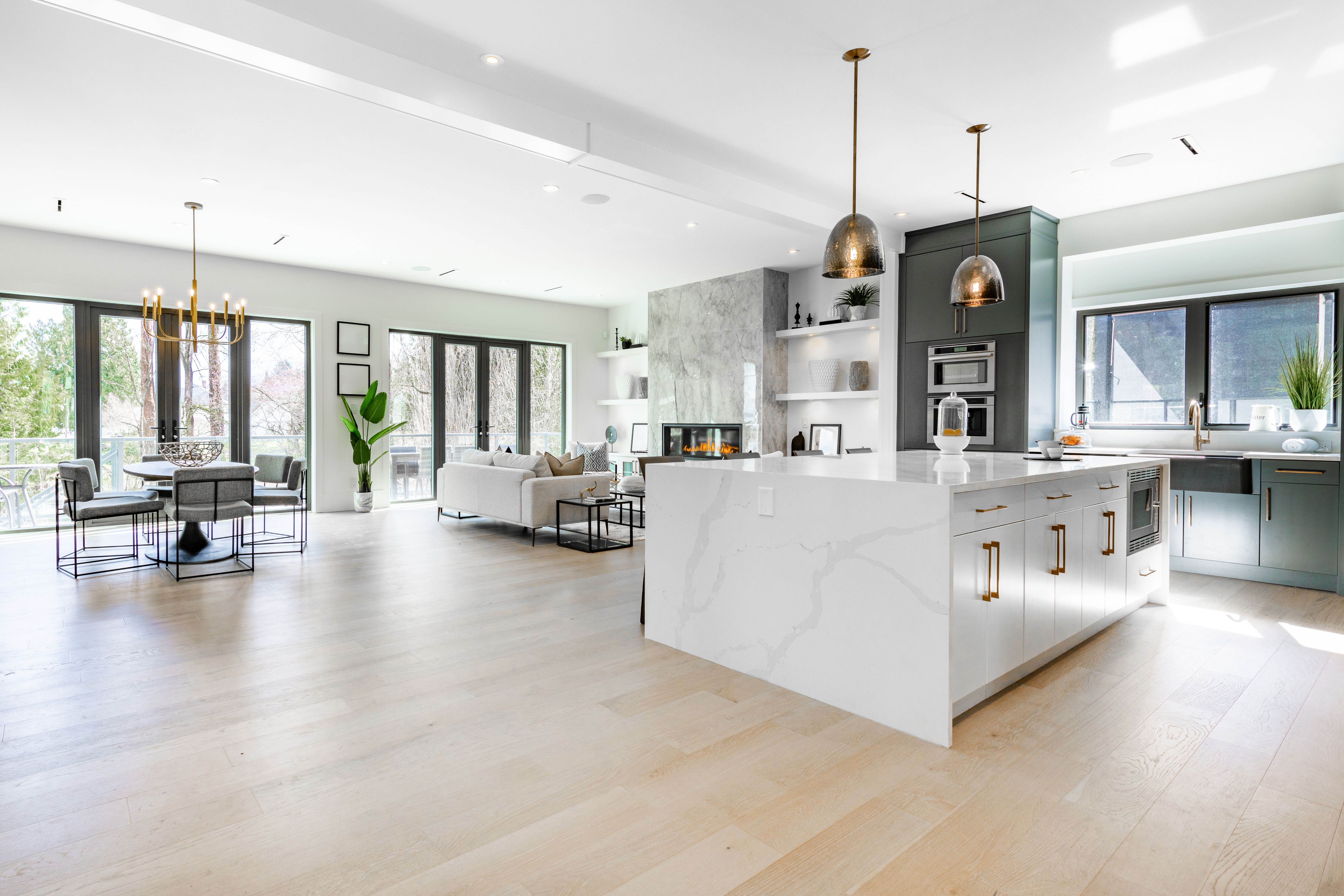
Whether you're a homeowner looking to sell or a real estate professional, implementing these home staging techniques can make a significant difference in the speed and price of a home sale. By focusing on presentation and appeal, you can create a lasting impression that resonates with buyers.