
Expert Insights: Top Interior Design Mistakes to Avoid

Understanding Space and Scale
One of the most common mistakes people make in interior design is not considering the scale and proportion of furniture and decor. It’s crucial to ensure that your pieces are in harmony with the size of the room. Oversized furniture in a small space can make it feel cramped, while tiny pieces in a large room can look lost.

When planning your layout, always measure your space and consider the flow of movement. Use a mix of sizes and shapes to create a balanced and visually interesting environment. Remember, every piece should have its place without overwhelming the room.
Color Coordination and Balance
Choosing the right color palette is essential for creating a cohesive look. A common mistake is using too many colors or clashing shades that can create a disjointed feel. Instead, opt for a balanced palette that complements your space.
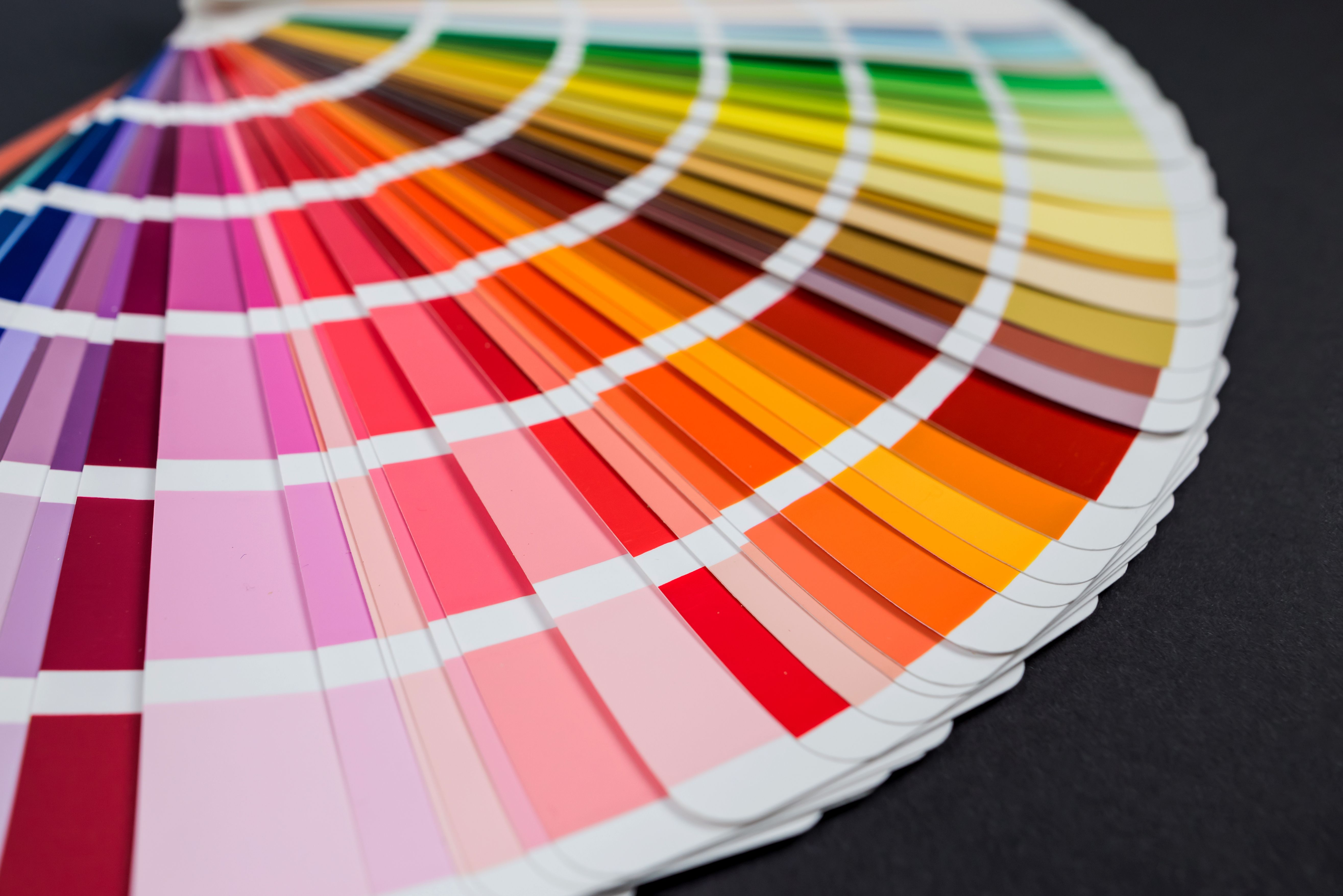
Consider the 60-30-10 rule: 60% of a dominant color, 30% of a secondary color, and 10% of an accent color. This approach helps maintain harmony and allows for flexibility in personalizing your space with decor and accessories.
Lighting: More Than Just Illumination
Lighting is often an afterthought in interior design, but it plays a critical role in setting the mood and enhancing the visual appeal of a room. Avoid relying solely on overhead lighting. Instead, incorporate a mix of lighting sources, such as floor lamps, table lamps, and wall sconces.
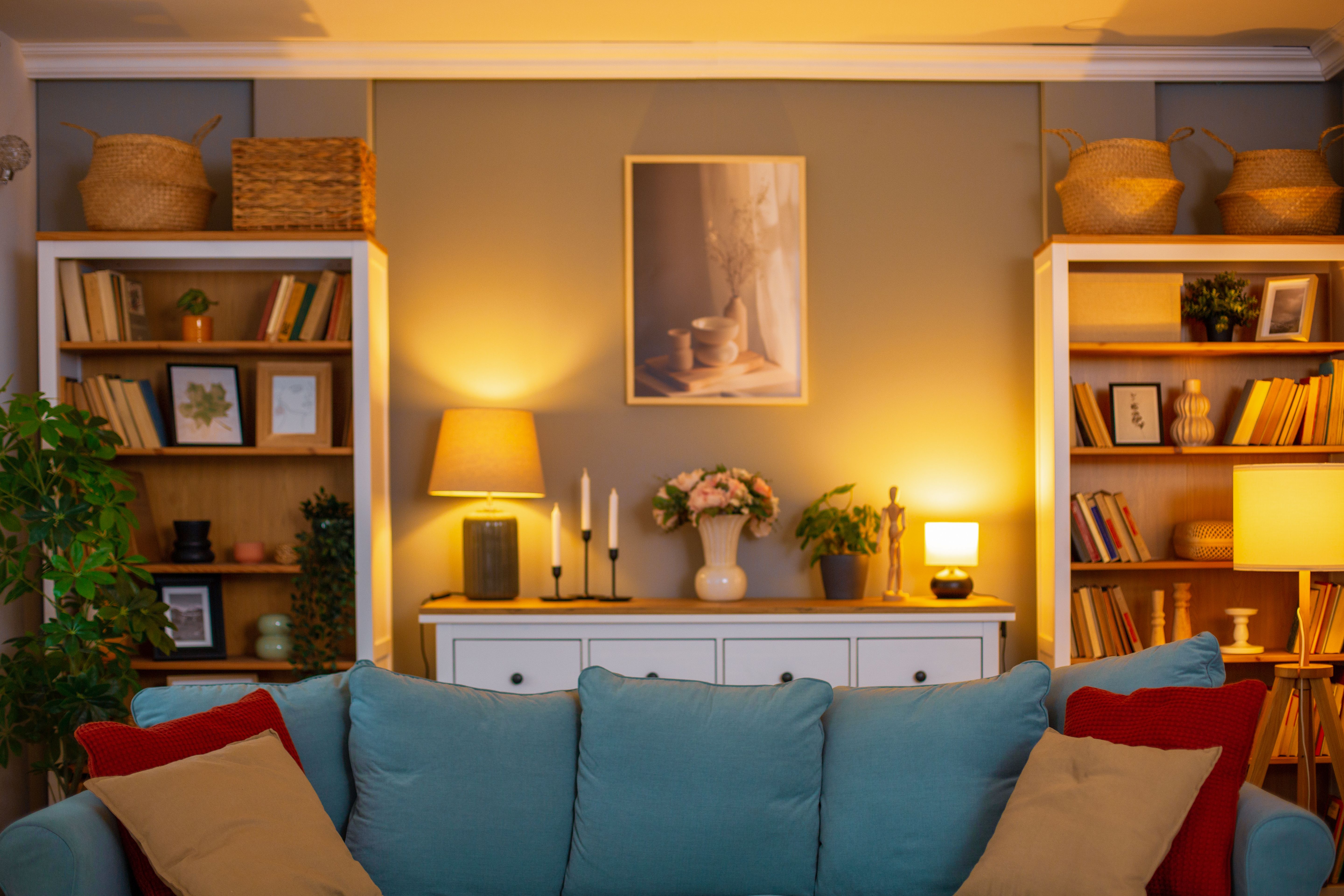
Layering different types of lighting allows for flexibility and adds depth to your space. Consider the function of each room and choose lighting that complements it. Dimmer switches are also a great addition to adjust the ambiance as needed.
Personalization Without Clutter
While it’s important to inject personality into your home, too much personalization can lead to clutter. Avoid overcrowding surfaces with decor and aim for a minimalist approach. Choose a few meaningful pieces that reflect your style and rotate them seasonally for a fresh look.
Utilize storage solutions to keep your space organized. Built-in shelves, baskets, and multi-functional furniture can help maintain a clean and inviting environment.
Ignoring Functionality
Design should always serve a purpose, and ignoring the functionality of a space is a common pitfall. Consider how you use each room and ensure the design enhances its functionality. For instance, in a living room, prioritize comfortable seating and adequate lighting for reading or relaxing.
In kitchens and bathrooms, focus on practical layouts and durable materials that withstand daily wear. By prioritizing functionality, you create a space that is not only beautiful but also livable and efficient.