DIY Home Decorating Tips: Insights from a Toronto Interior Designer

Understanding Your Space
Decorating your home can be a rewarding and creative experience. According to a Toronto interior designer, the first step in DIY home decorating is to understand your space. Evaluate the dimensions and the natural light available. This will help you make informed decisions about color schemes and furniture placement.
Consider the function of each room. Are you looking to create a cozy living area or a functional home office? Each purpose will guide your design choices. Knowing the function ensures that your space is both beautiful and practical.
Choosing the Right Color Palette
Color plays a crucial role in setting the mood of a room. A Toronto designer suggests starting with a neutral base and adding pops of color through accessories like cushions and artwork. This approach allows for flexibility and easy updates in the future.
For those who are more adventurous, consider an accent wall. A bold color or a patterned wallpaper can add character and depth to your space without overwhelming it. Remember, it's always easier to change a wall color than an entire room's decor.

Furniture Arrangement Tips
Arranging furniture can be as simple or complex as you make it. The key is to create a flow that works. Start by positioning your largest pieces, such as sofas or beds, and then arrange smaller items around them. Ensure there’s enough space for movement and that focal points, like a fireplace or a window, are highlighted.
If you have a small space, consider multi-functional furniture. Items like sofa beds or extendable dining tables can save space while providing practicality. This is particularly useful in urban settings where space is at a premium.

Accessorizing with Purpose
Accessories are the finishing touches that bring your home to life. A Toronto interior designer recommends choosing pieces that reflect your personality and interests. Whether it's a collection of travel souvenirs or family photographs, these items make your space uniquely yours.
Layering textures with throws, rugs, and cushions can add warmth and depth. Consider mixing materials like wood, metal, and glass to create a balanced look. Don’t be afraid to experiment with different styles and eras for a more eclectic feel.

Lighting: The Unsung Hero
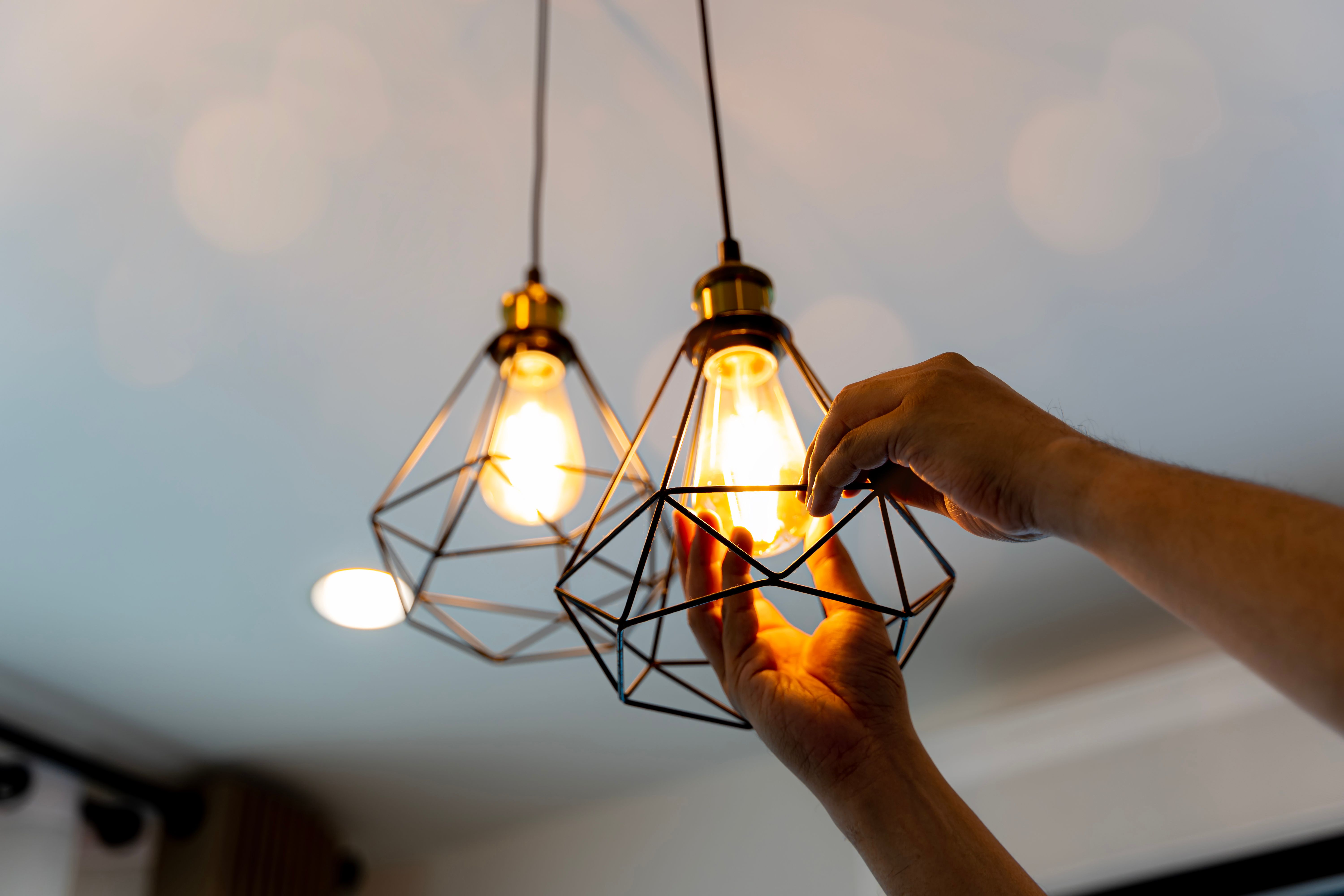
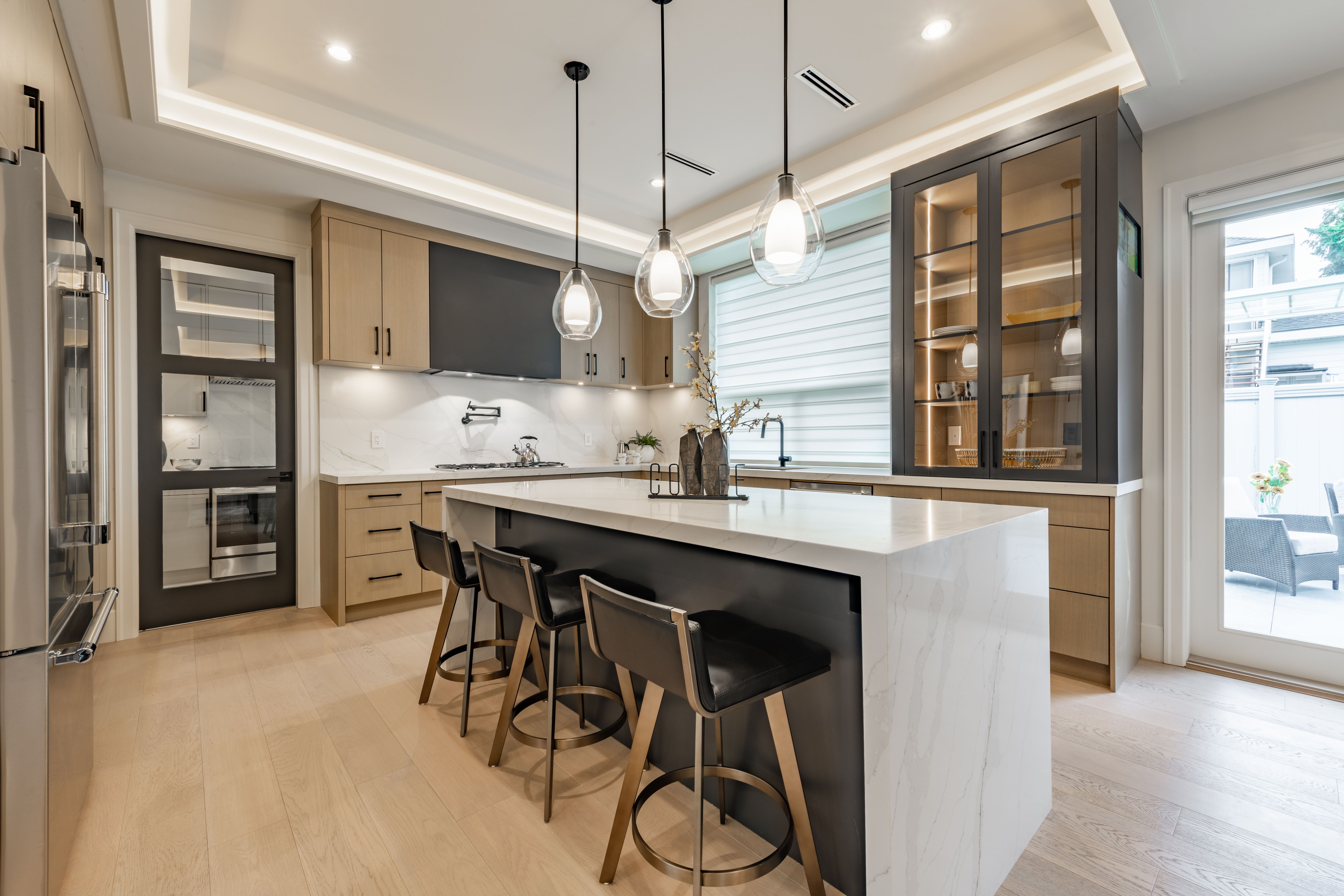
Lighting is often overlooked, yet it has the power to transform a room. Incorporate a mix of lighting sources, such as ambient, task, and accent lighting, to create a versatile and inviting atmosphere. Dimmer switches can offer flexibility and help set the mood.
Pendant lights, floor lamps, and table lamps can all add personality and style. Choose fixtures that complement your overall design and pay attention to bulb color temperature for the right ambiance.
Incorporating Greenery
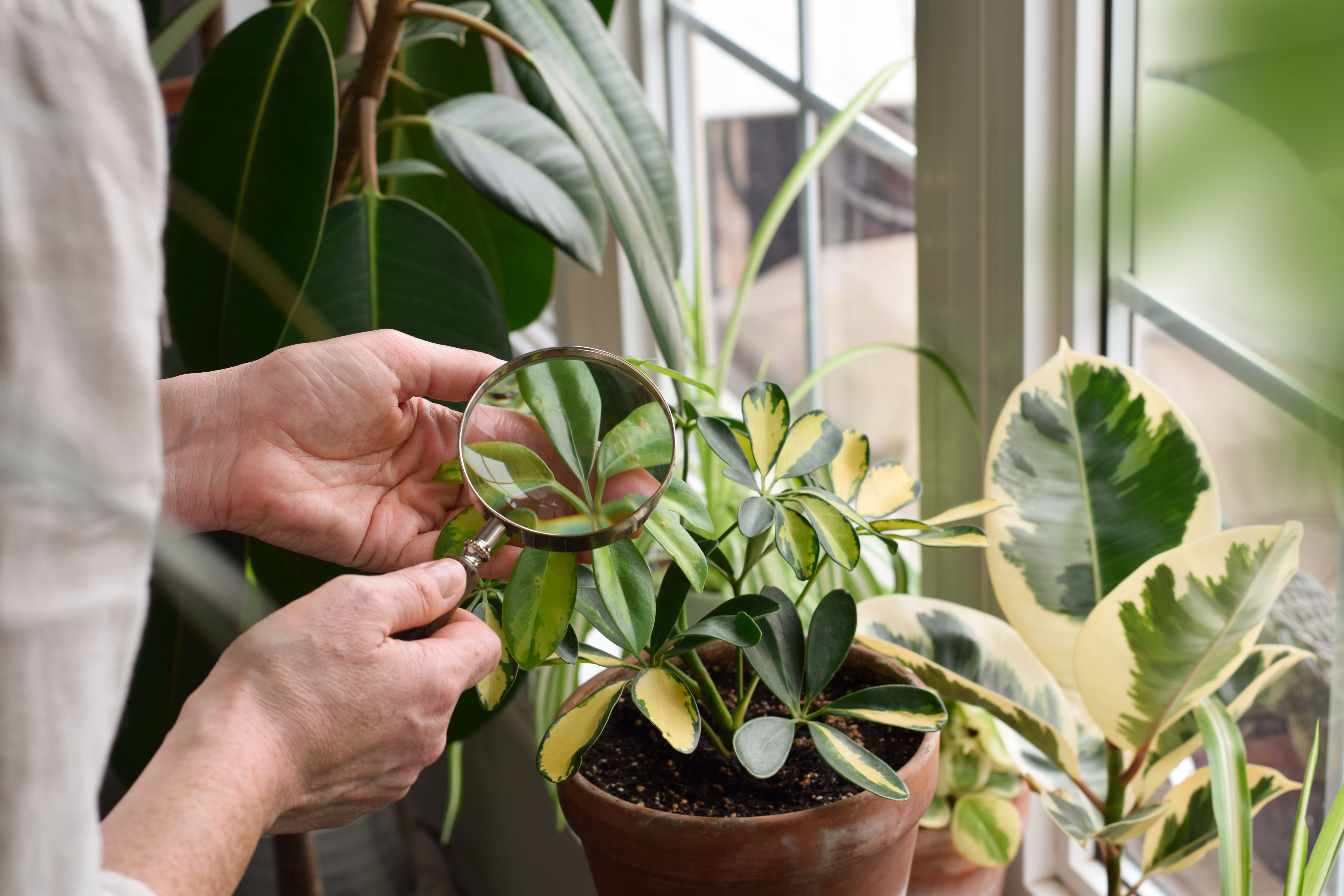
Plants are a simple and effective way to add life to your home. They not only improve air quality but also enhance the aesthetics of a room. Even if you're new to gardening, many houseplants are low maintenance and easy to care for.
Consider grouping plants of different heights and shapes for visual interest. Use creative planters or hanging pots to add greenery without taking up floor space. This touch of nature can make a significant difference in how a room feels.
Final Touches and Personalization
Once the main elements are in place, it's time to add those final touches that make your space feel complete. This could be a statement piece of art, a unique rug, or a bespoke piece of furniture. Personalization is key to achieving a design that feels authentic to you.
Remember, DIY decorating is about expressing your creativity. Don’t rush the process; let your space evolve over time. As you live in it, you'll discover what truly works for you and what doesn’t.
By following these insights from a Toronto interior designer, you can create a stylish and functional home that reflects your personality and lifestyle.