
Common Misconceptions About Home Staging and Interior Design

Understanding Home Staging vs. Interior Design
When it comes to enhancing a property, the terms home staging and interior design are often used interchangeably. However, they serve different purposes and cater to distinct needs. Understanding these differences can help you make informed decisions whether you're selling a home or simply looking to refresh your living space.
Home staging is primarily focused on preparing a property for sale. The goal is to make it appealing to the greatest number of potential buyers. In contrast, interior design is about creating a personalized space that reflects the taste and lifestyle of the homeowner.

Misconception 1: Home Staging and Interior Design Are the Same
One common misconception is that home staging is just another term for interior design. While both involve decorating spaces, their purposes differ significantly. Home staging aims to create a neutral environment that allows buyers to envision themselves living there. This often involves decluttering, rearranging furniture, and adding neutral decor elements.
Interior design, on the other hand, is highly personalized. It takes into account the homeowner's preferences, lifestyle, and functional needs. An interior designer works closely with clients to create a space that is both aesthetically pleasing and practical.
Misconception 2: Staging Is Only for Empty Homes
Many people believe home staging is only necessary for vacant properties. However, staging can be beneficial even if you're living in the home you're trying to sell. Staging professionals can work with existing furniture and decor to highlight the home's strengths and downplay any weaknesses.
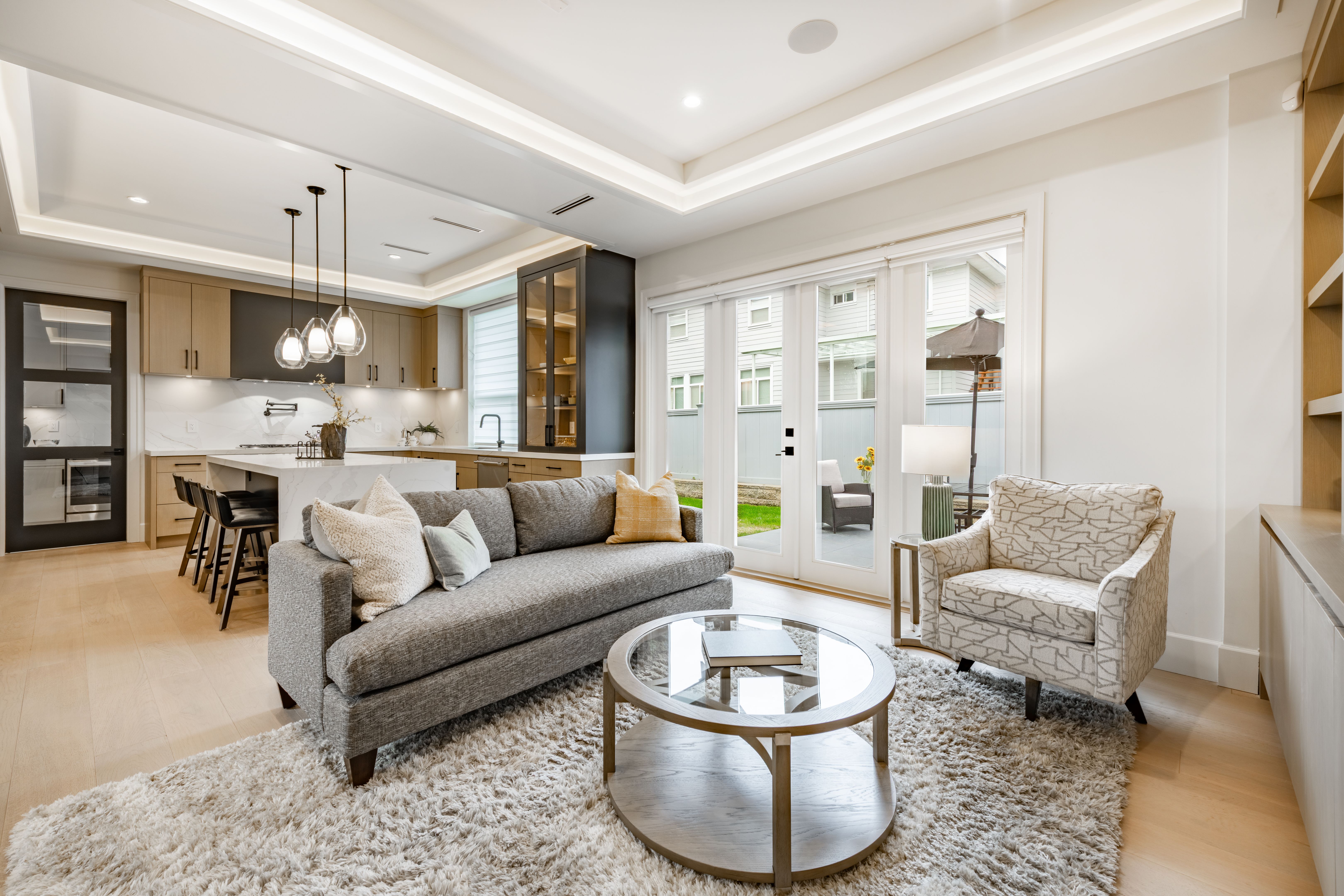
By making strategic changes, such as rearranging furniture or adding new decorative elements, stagers can transform a lived-in home into a show-ready property. This helps potential buyers see the full potential of the space, increasing the likelihood of a sale.
Misconception 3: Interior Design Is Too Expensive
A common misconception about interior design is that it is a luxury reserved for the wealthy. While high-end design services can be costly, there are many affordable options available. Many designers offer flexible pricing structures, allowing homeowners to choose services that fit their budget.
Additionally, investing in professional design can save money in the long run by avoiding costly mistakes and increasing the home's overall value. Designers can provide expert advice on where to splurge and where to save, ensuring the best return on investment.

Benefits of Understanding These Differences
Recognizing the differences between home staging and interior design can lead to more informed decisions. Whether you're preparing to sell your home or redesigning your living space, understanding these concepts allows you to set clear goals and expectations.
By aligning your needs with the right service, you can ensure a more successful and satisfying outcome. Whether you're looking to enhance your home's aesthetic appeal or increase its market value, knowing when to stage and when to design is crucial.